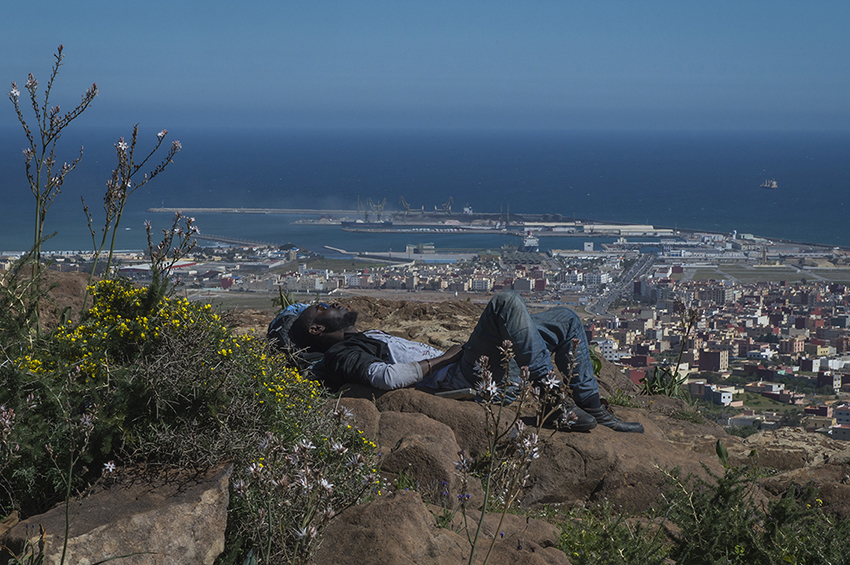

THE WALL
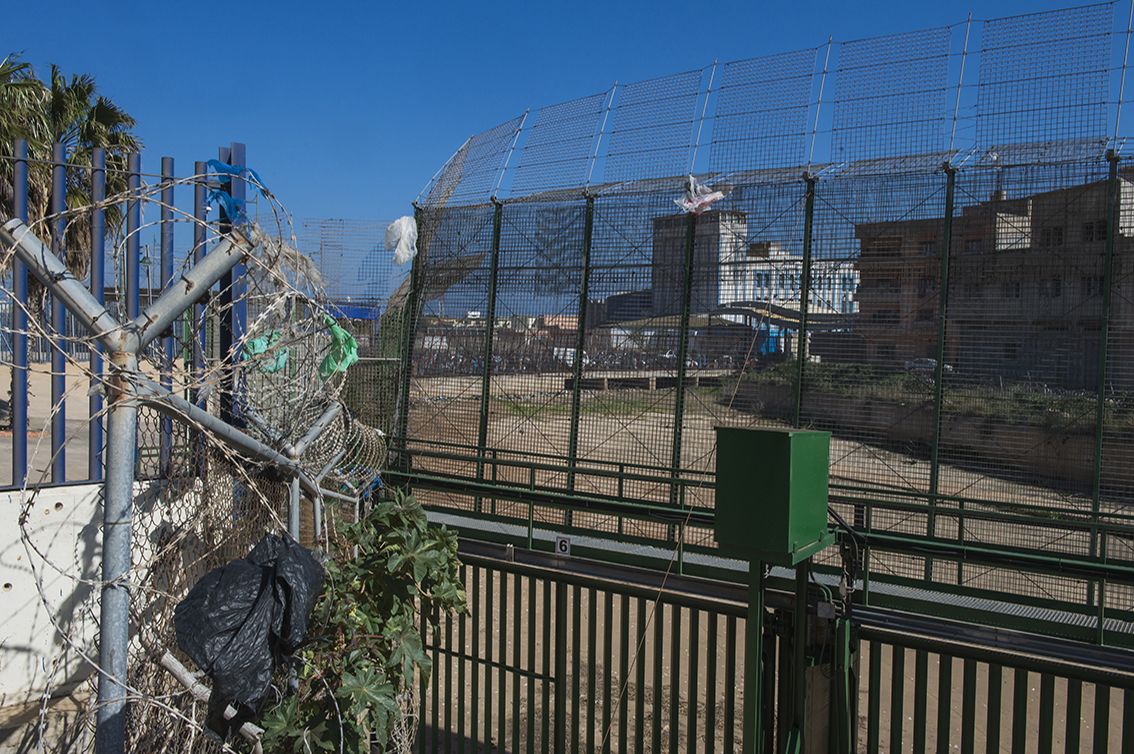
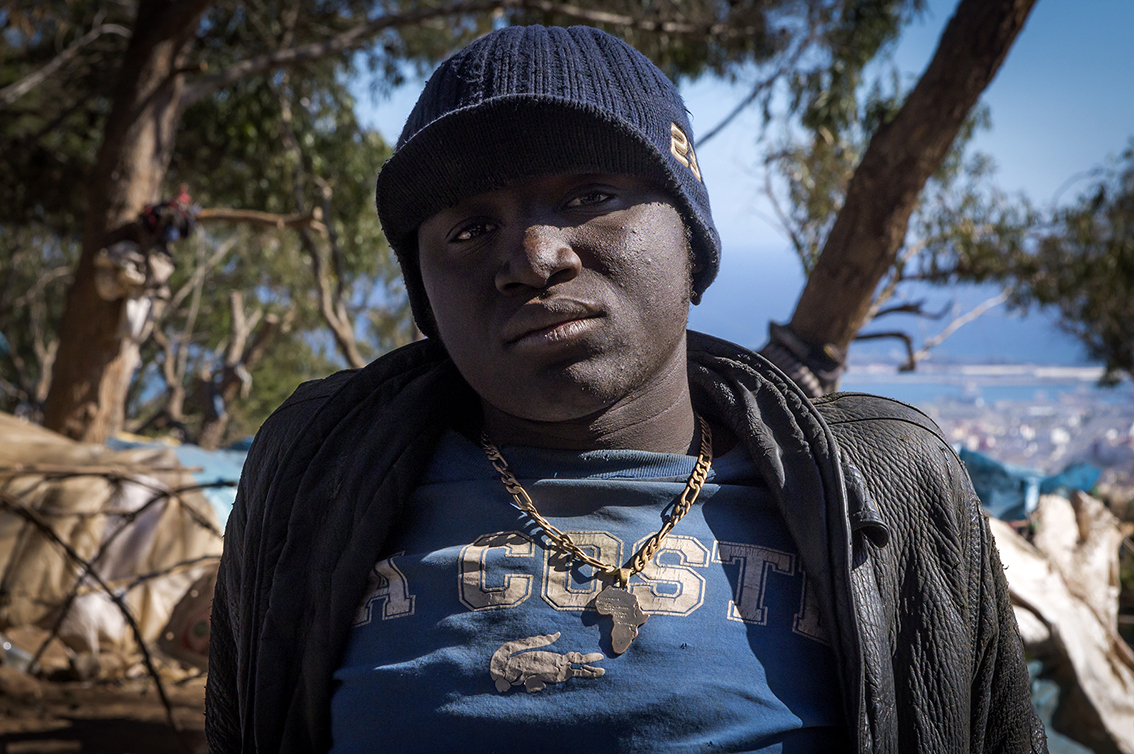
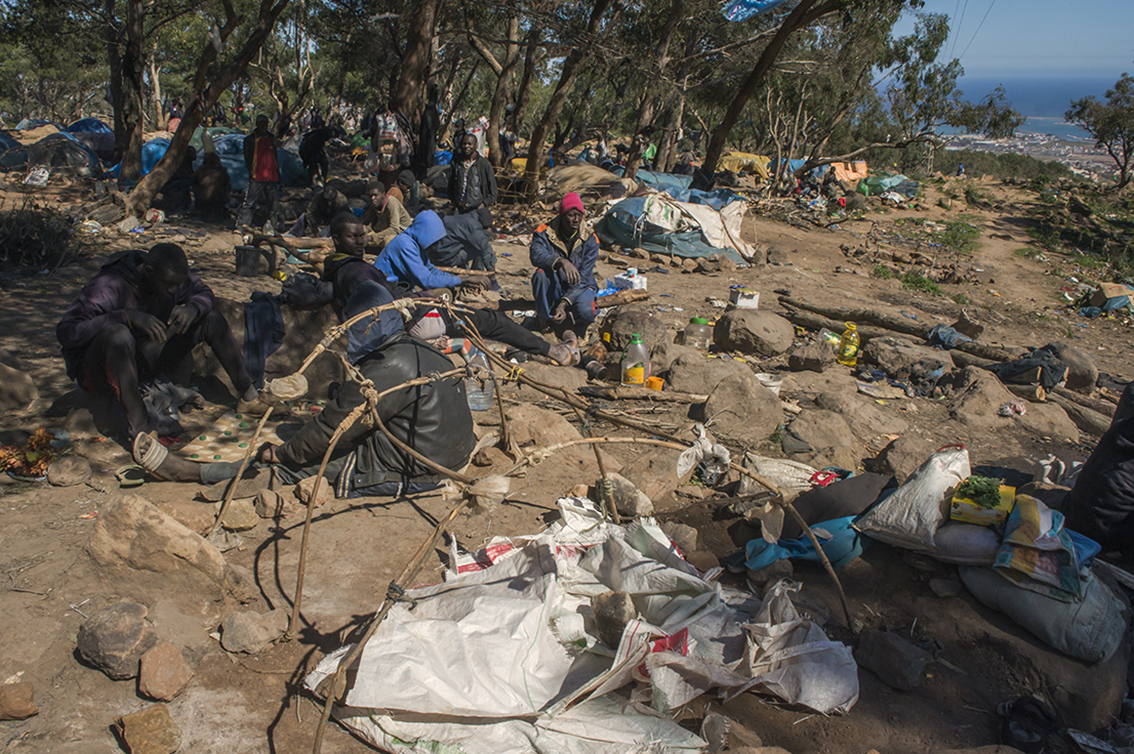
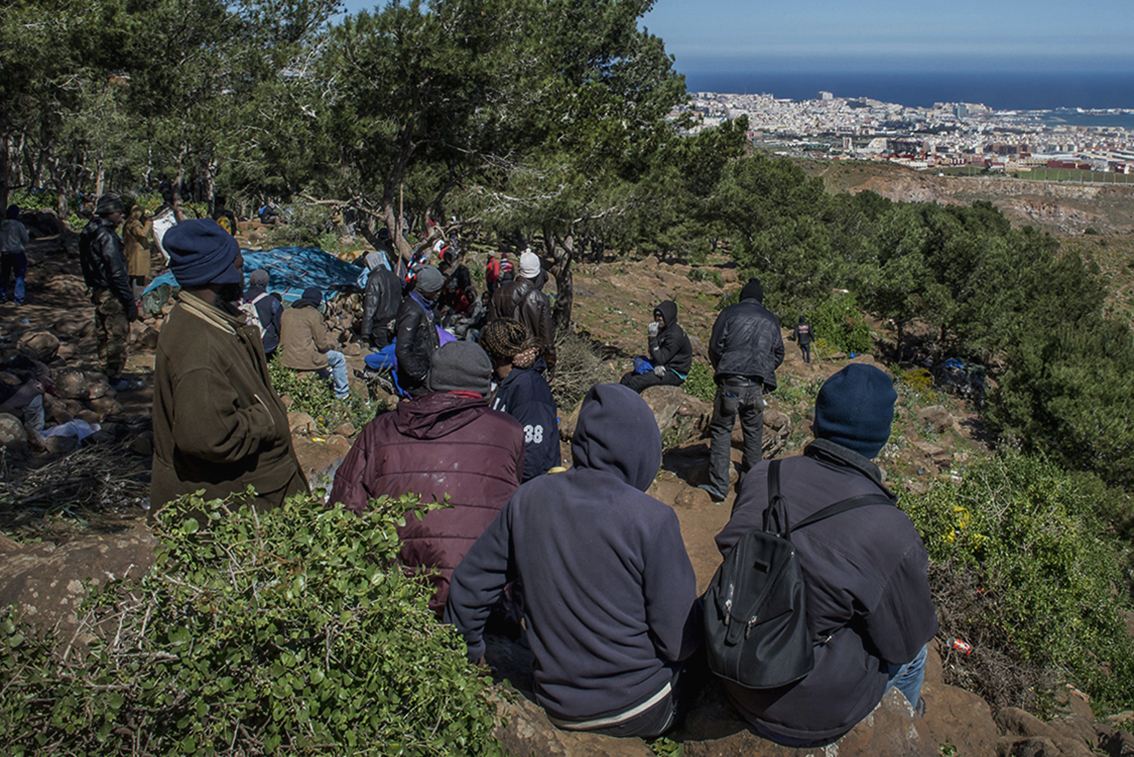
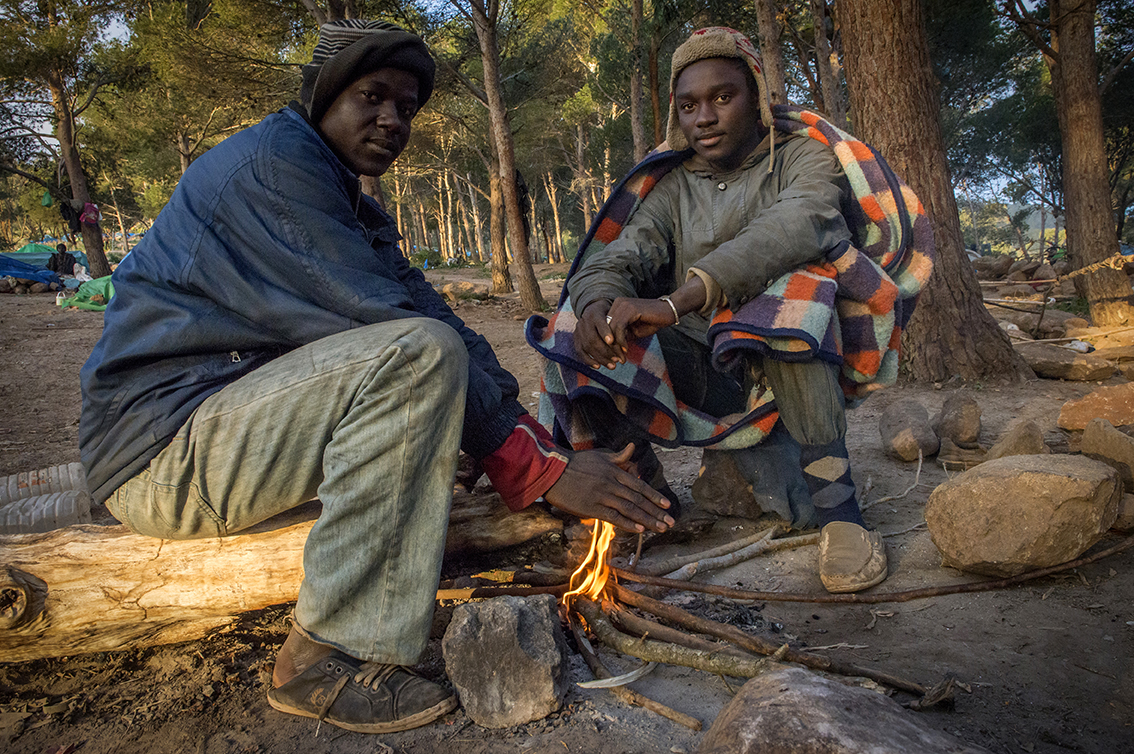
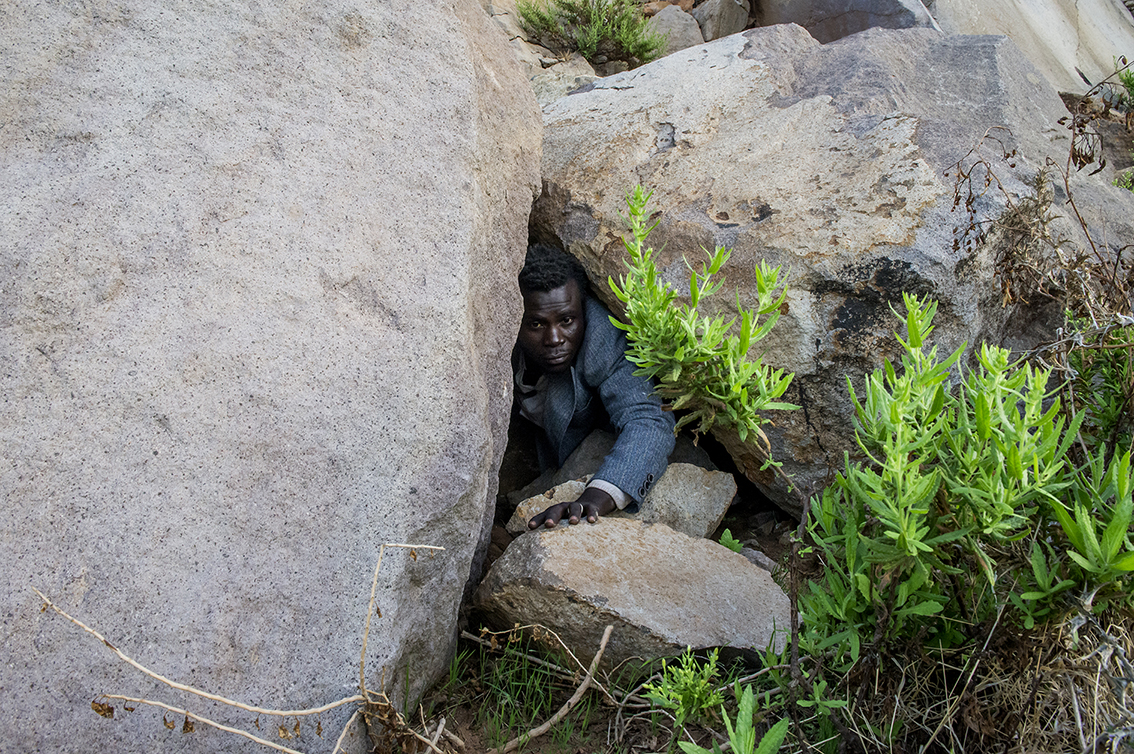
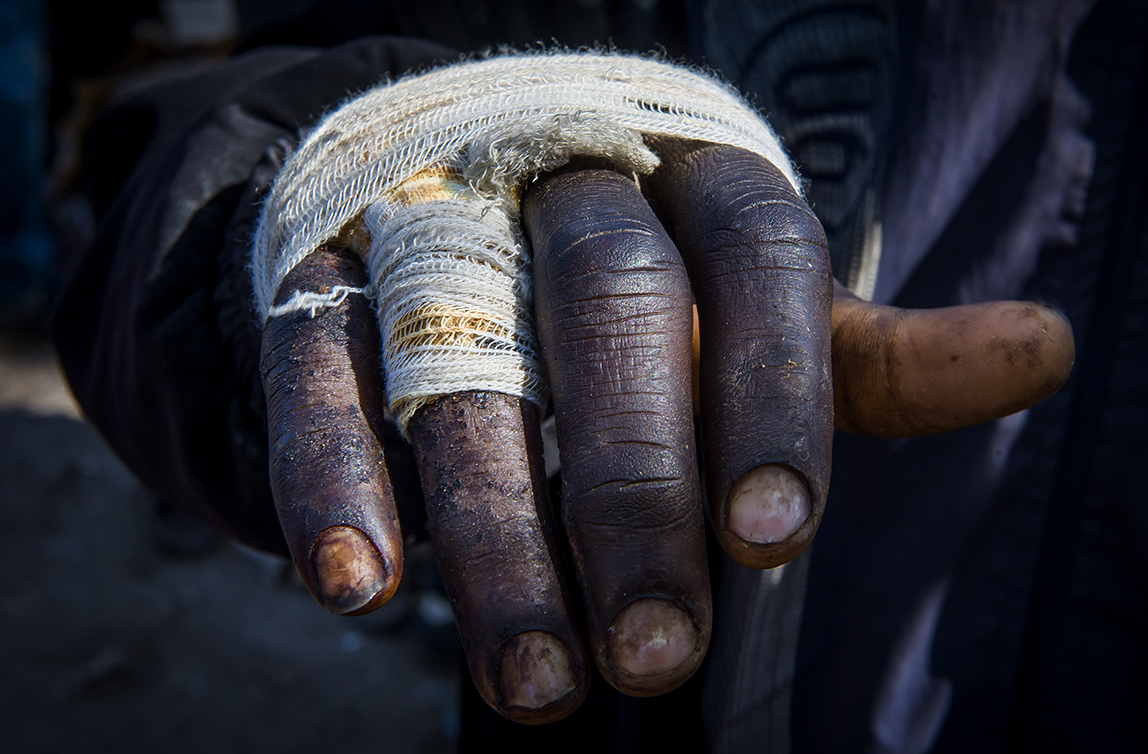
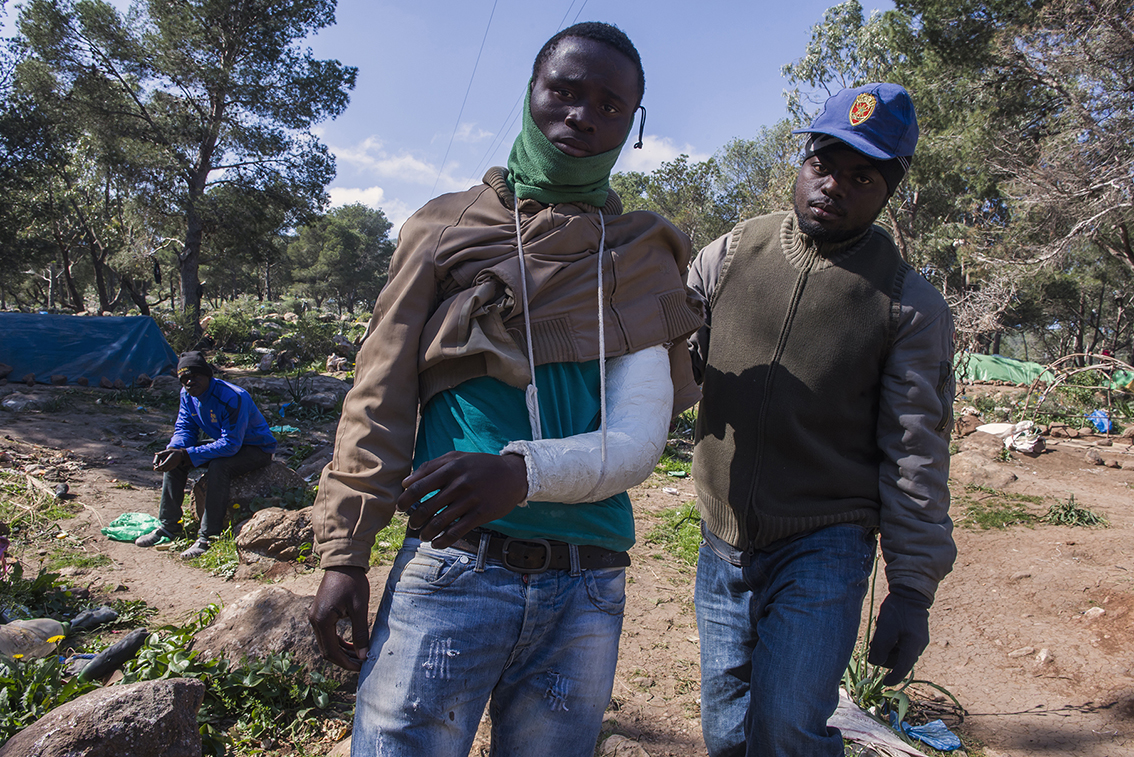
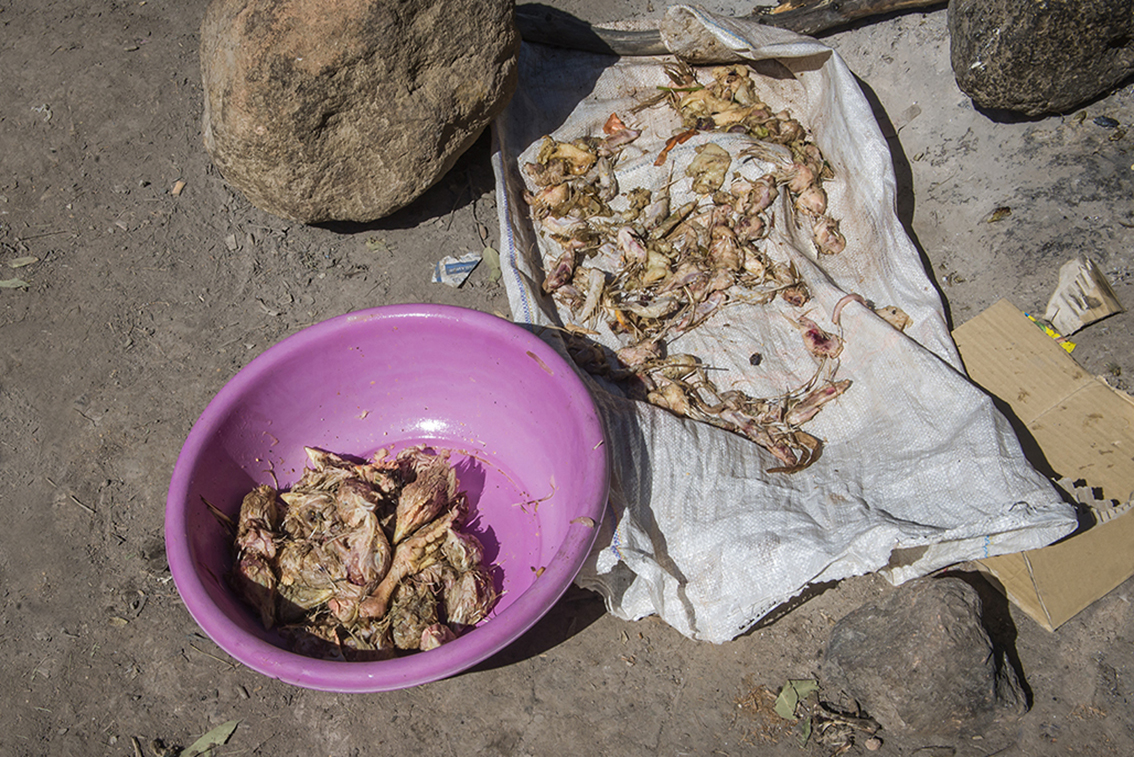
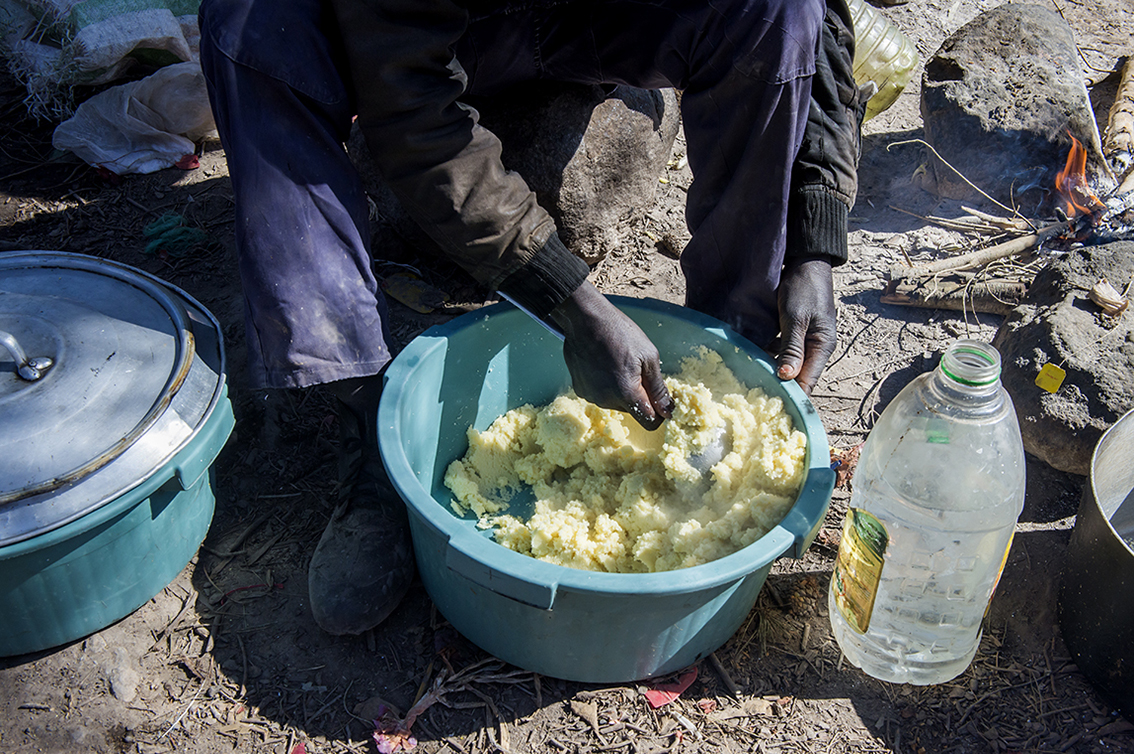
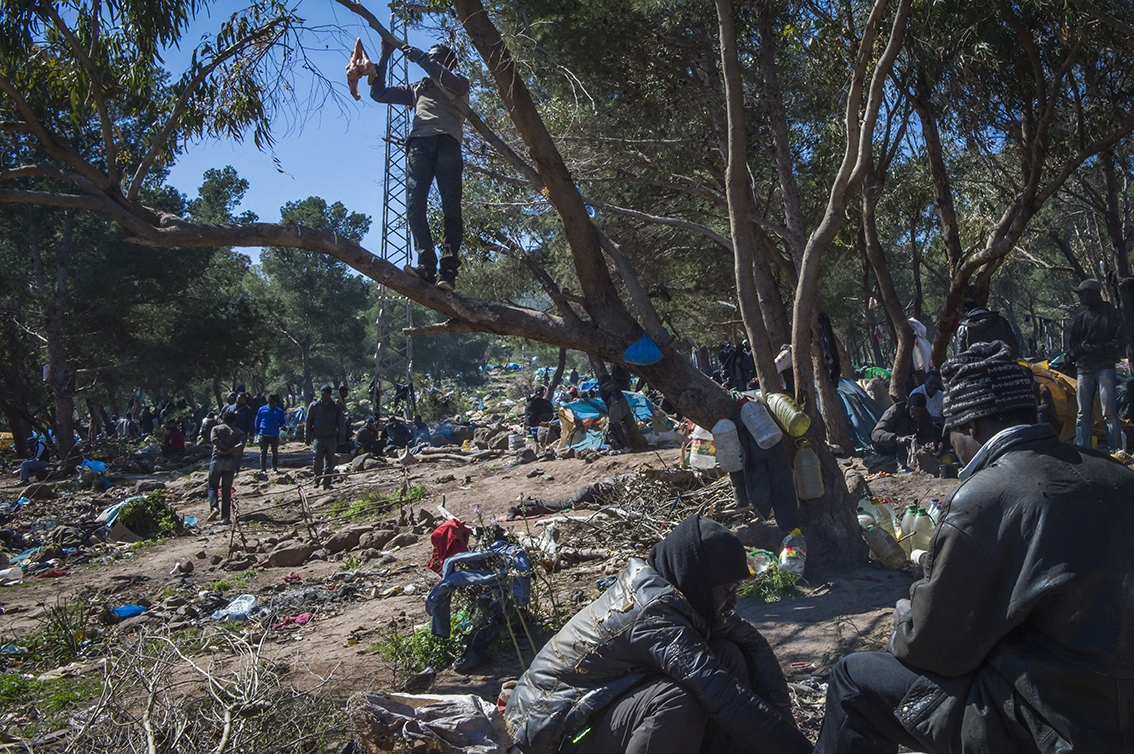
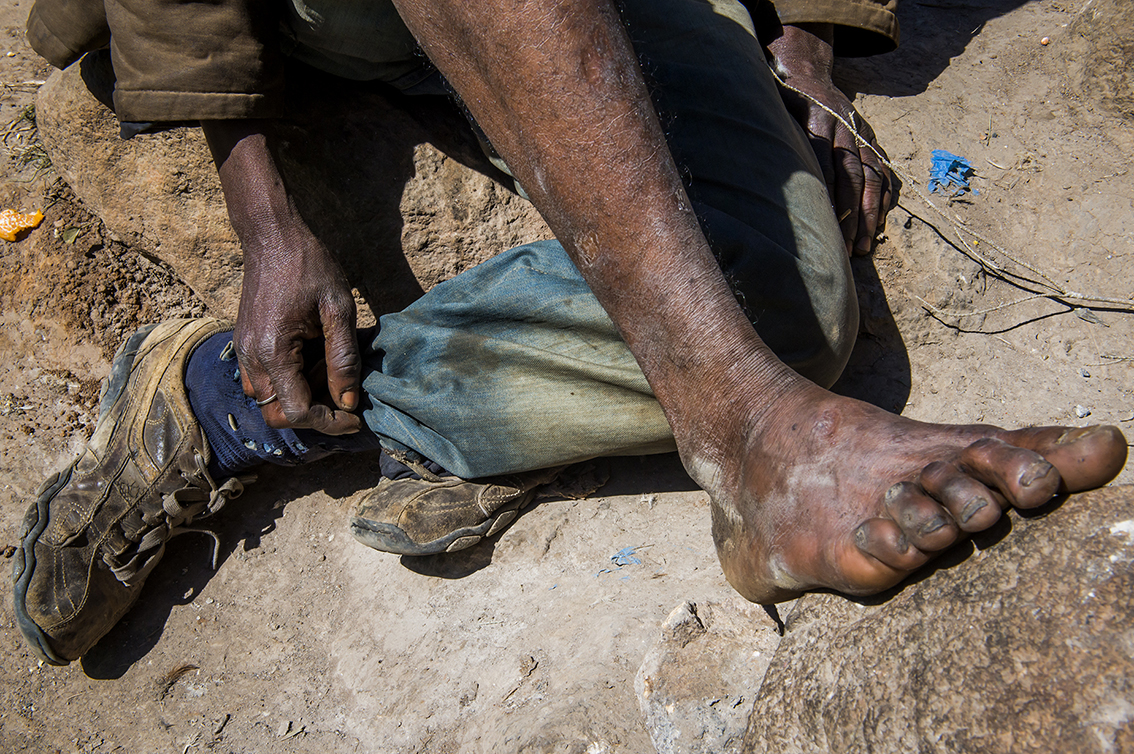
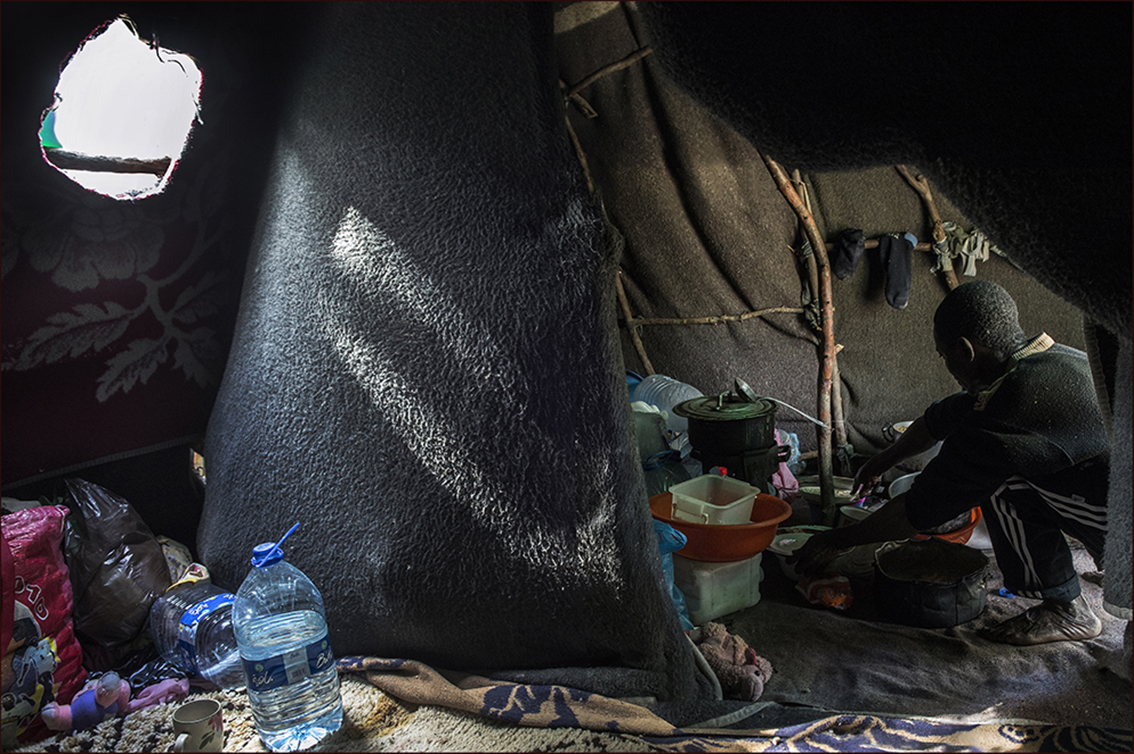
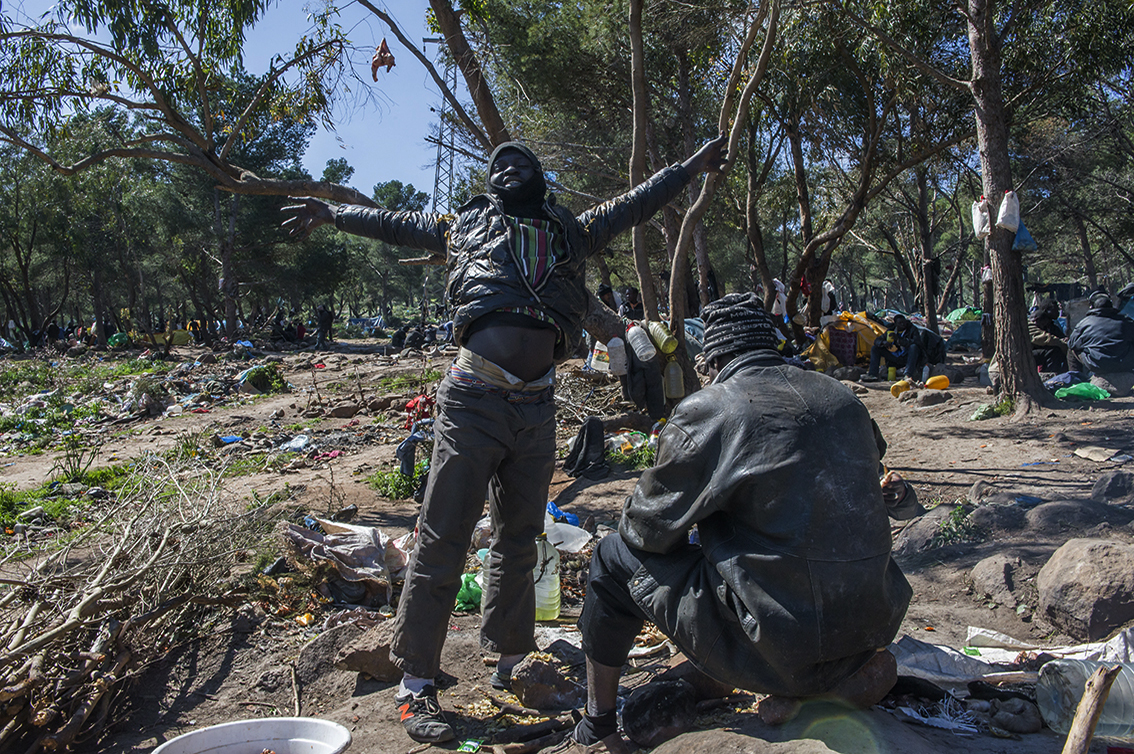
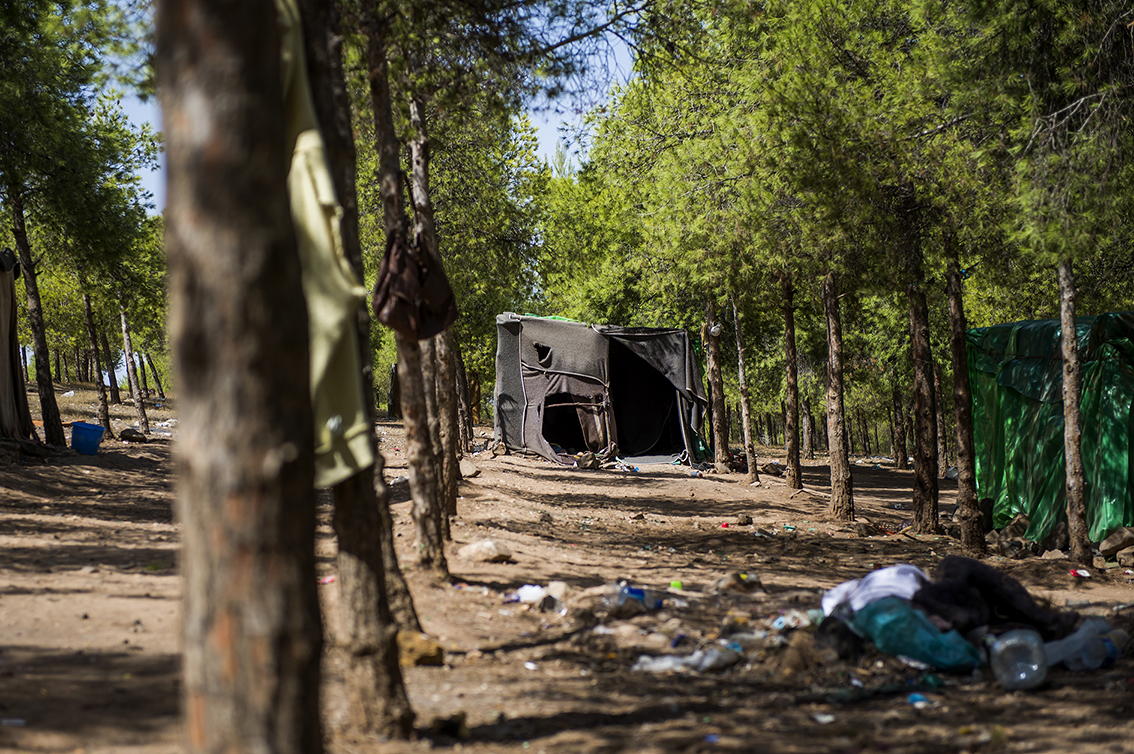
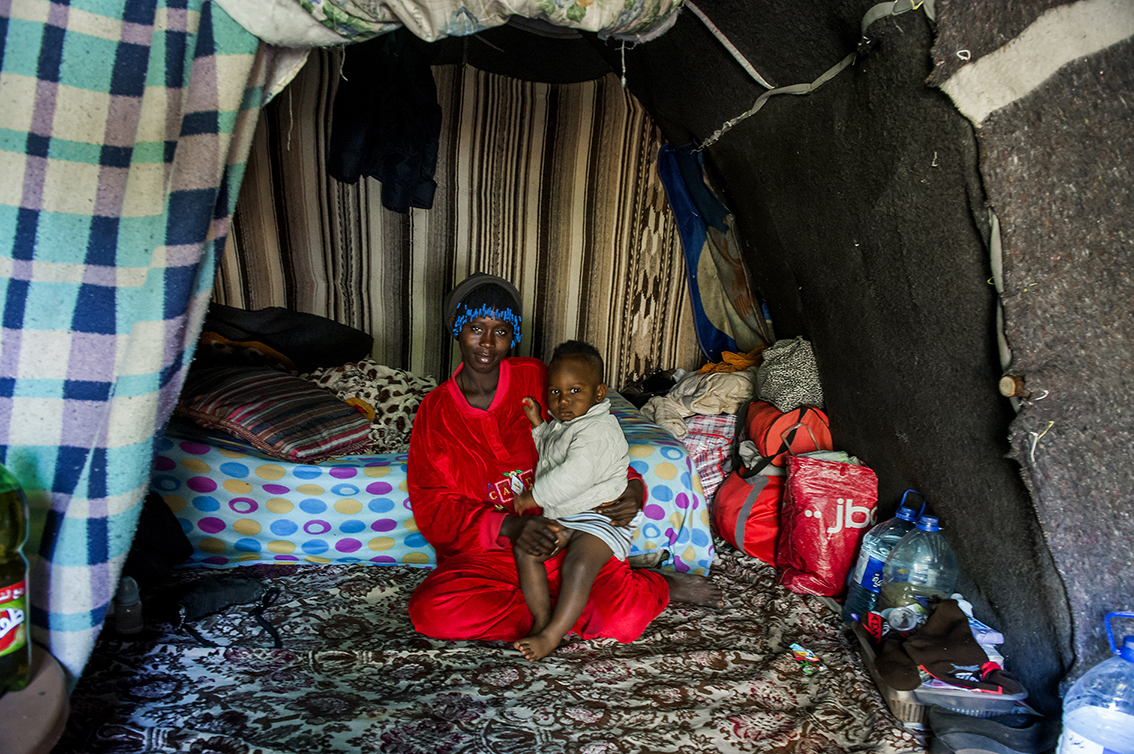
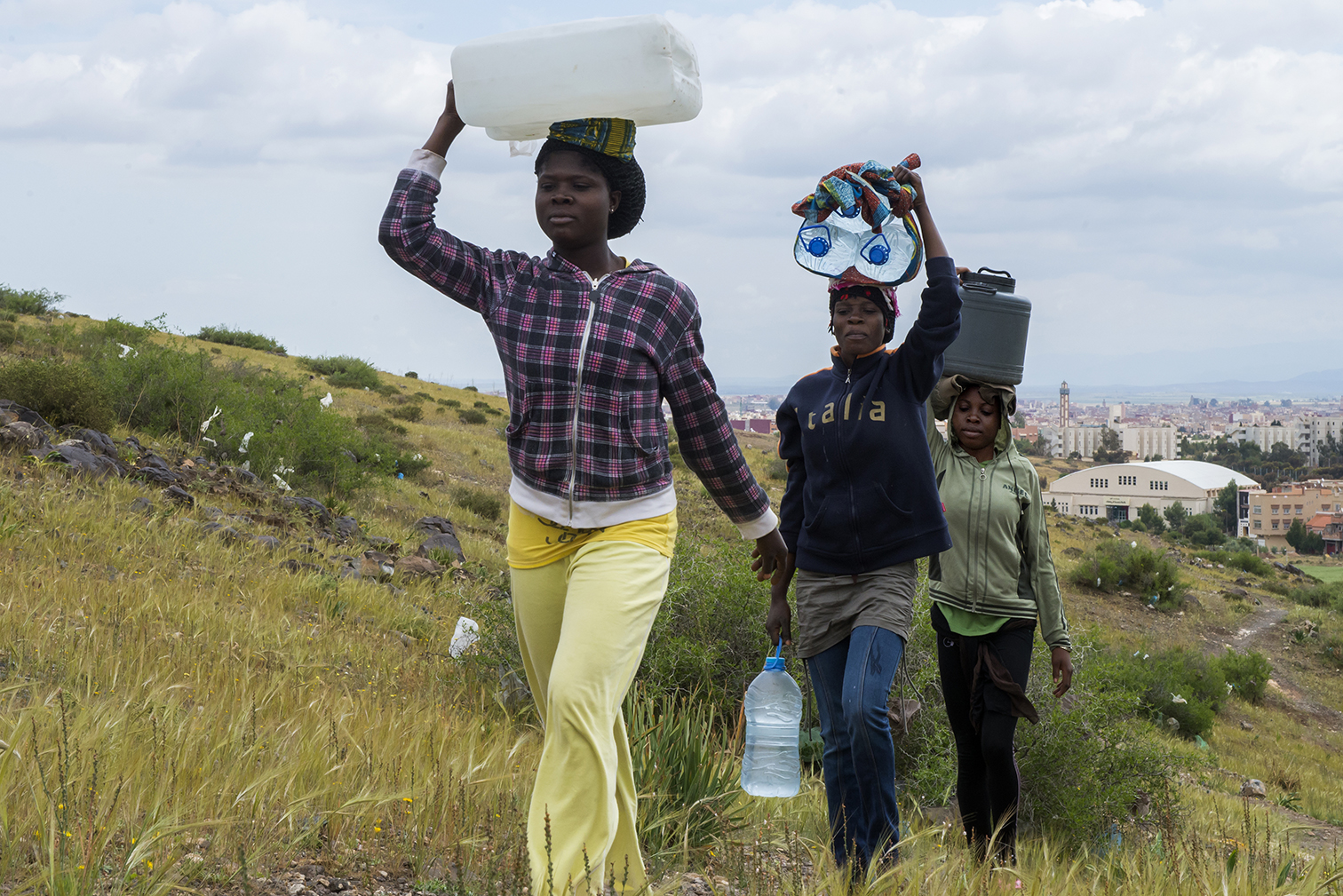
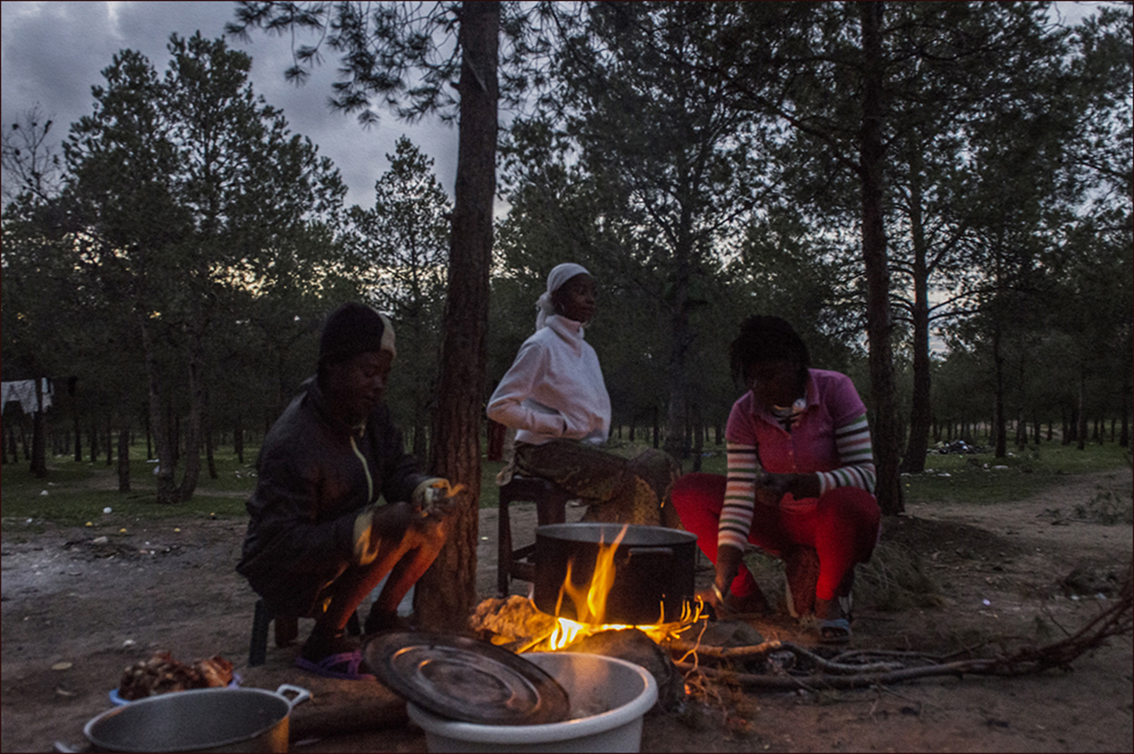
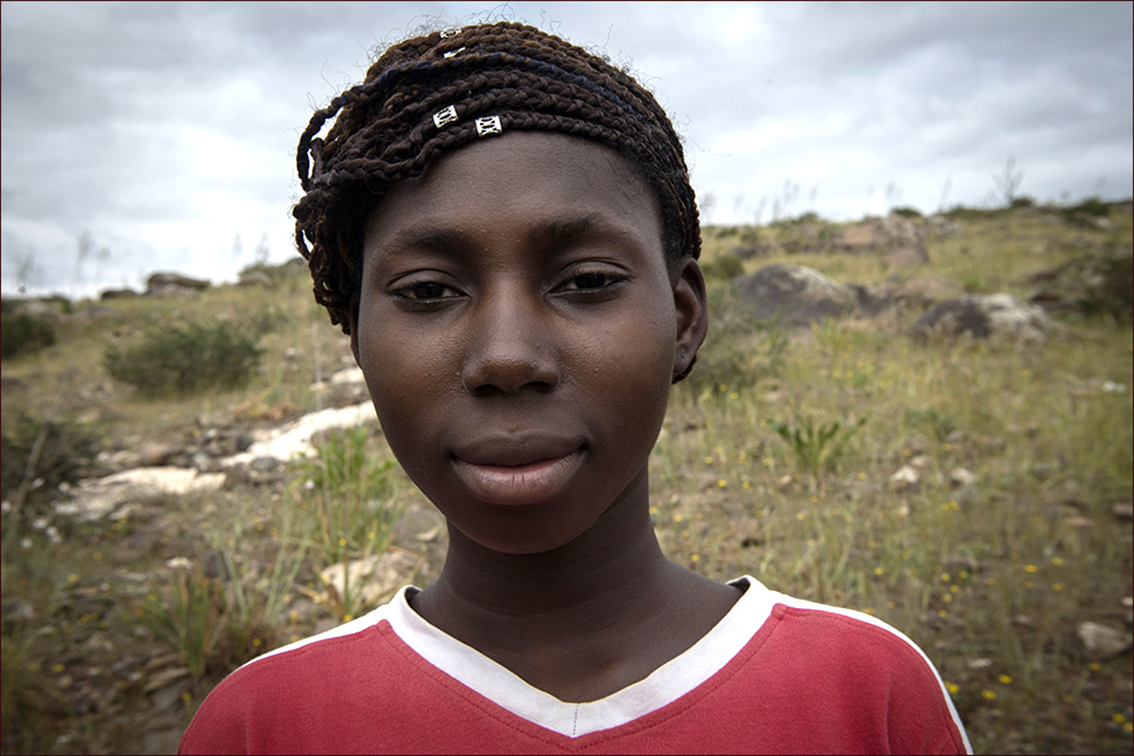
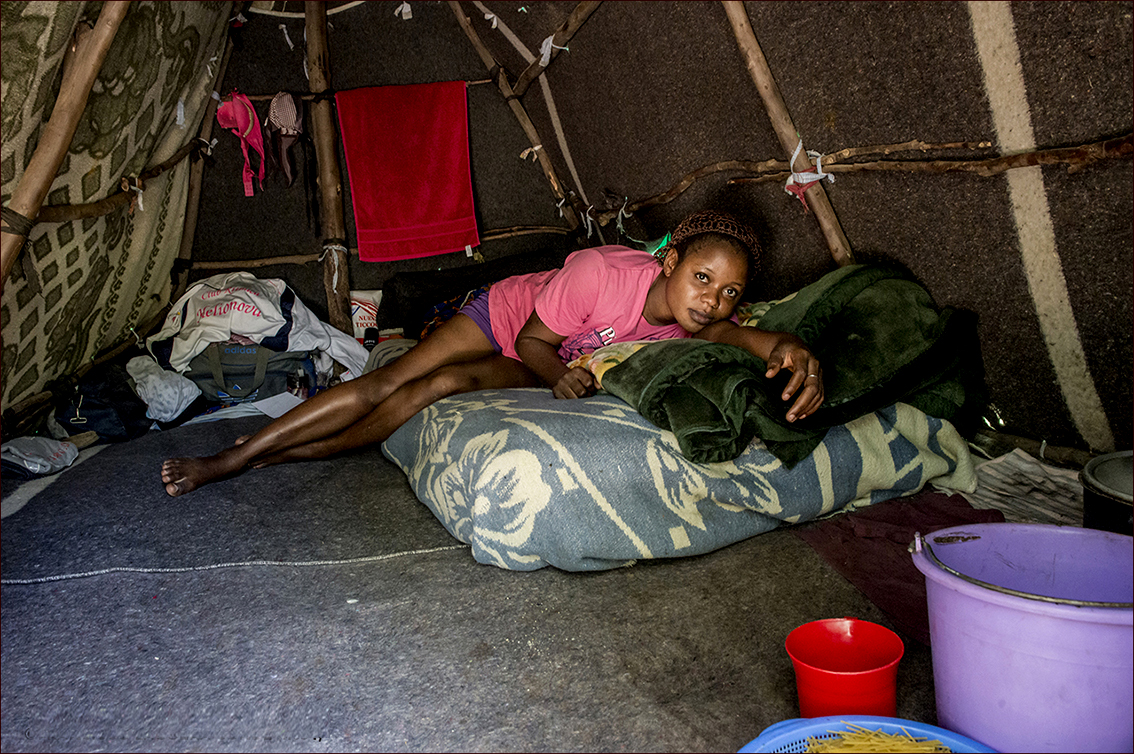
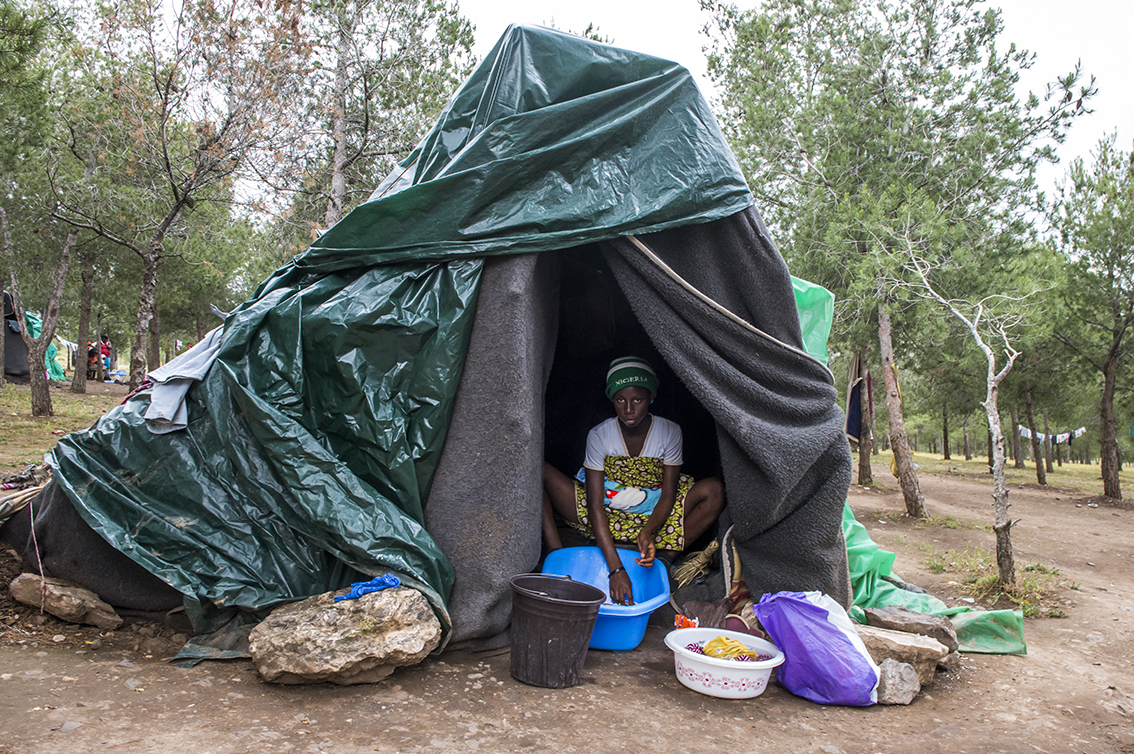
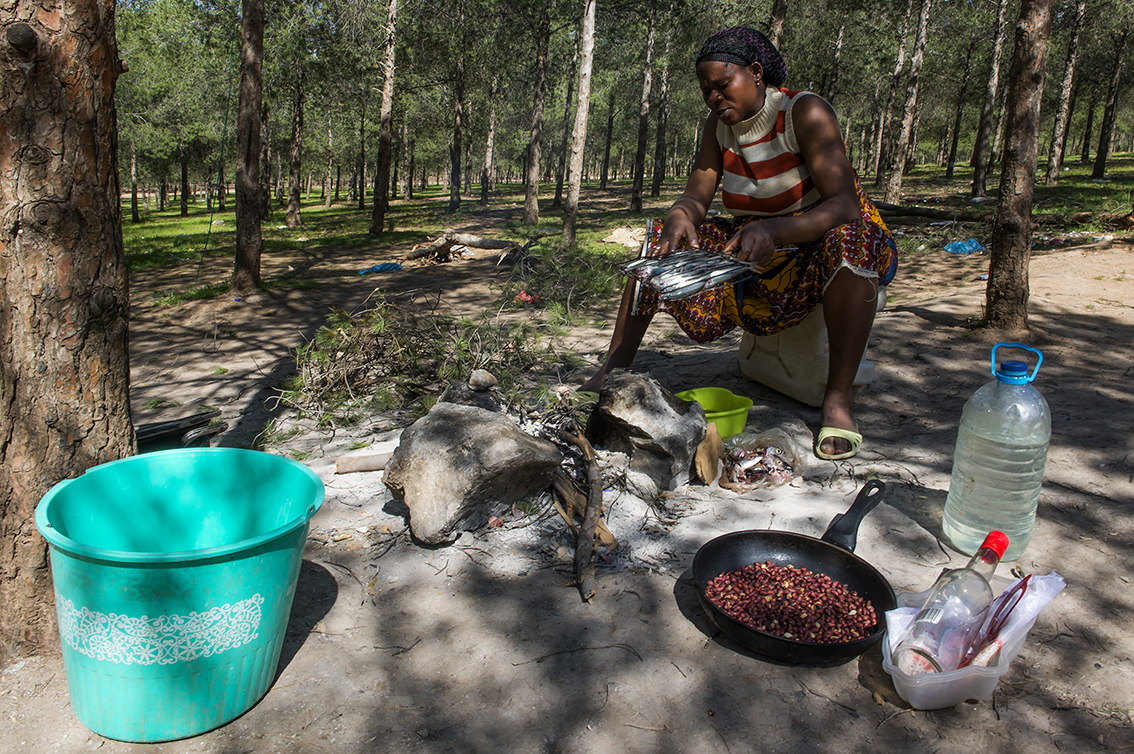
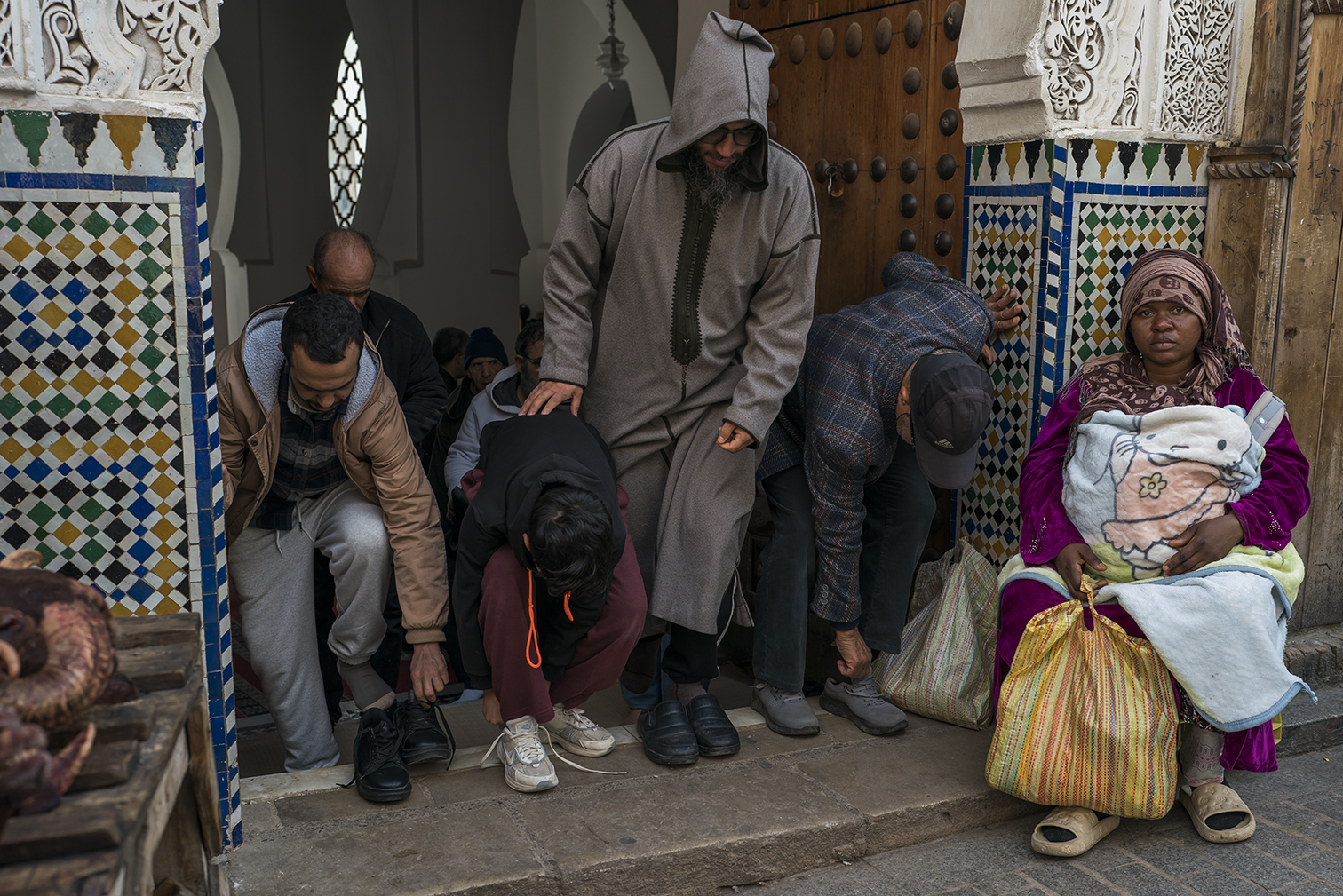
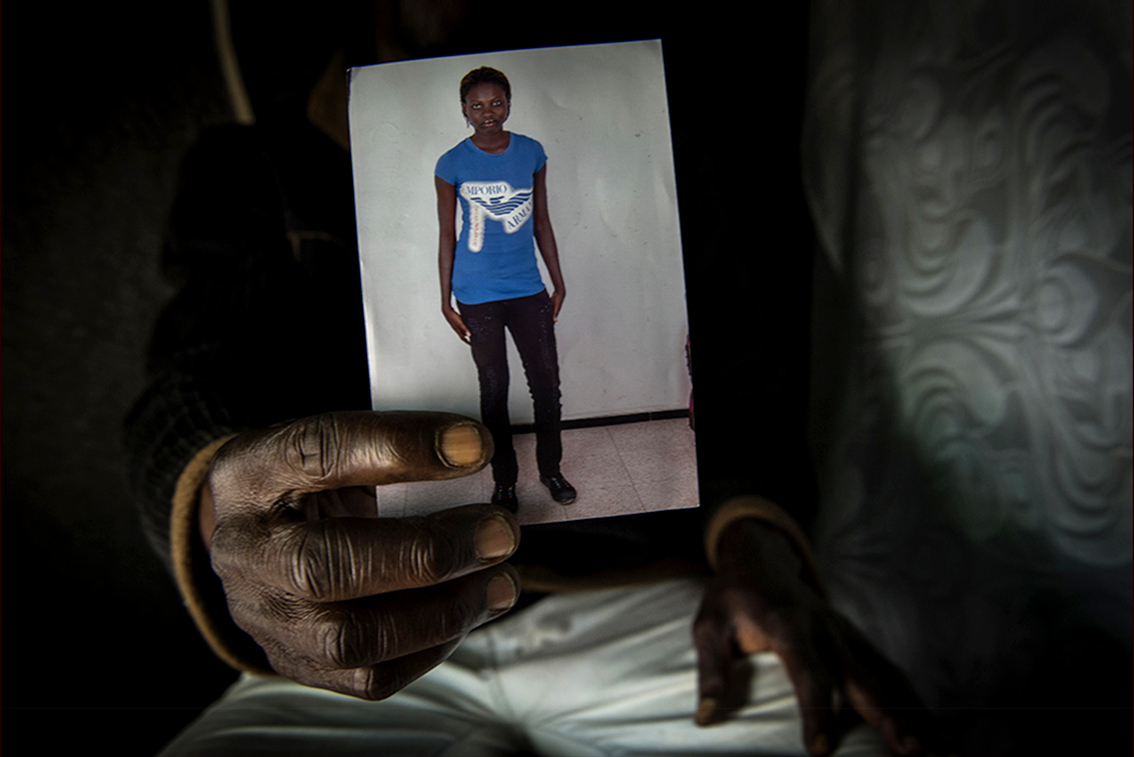
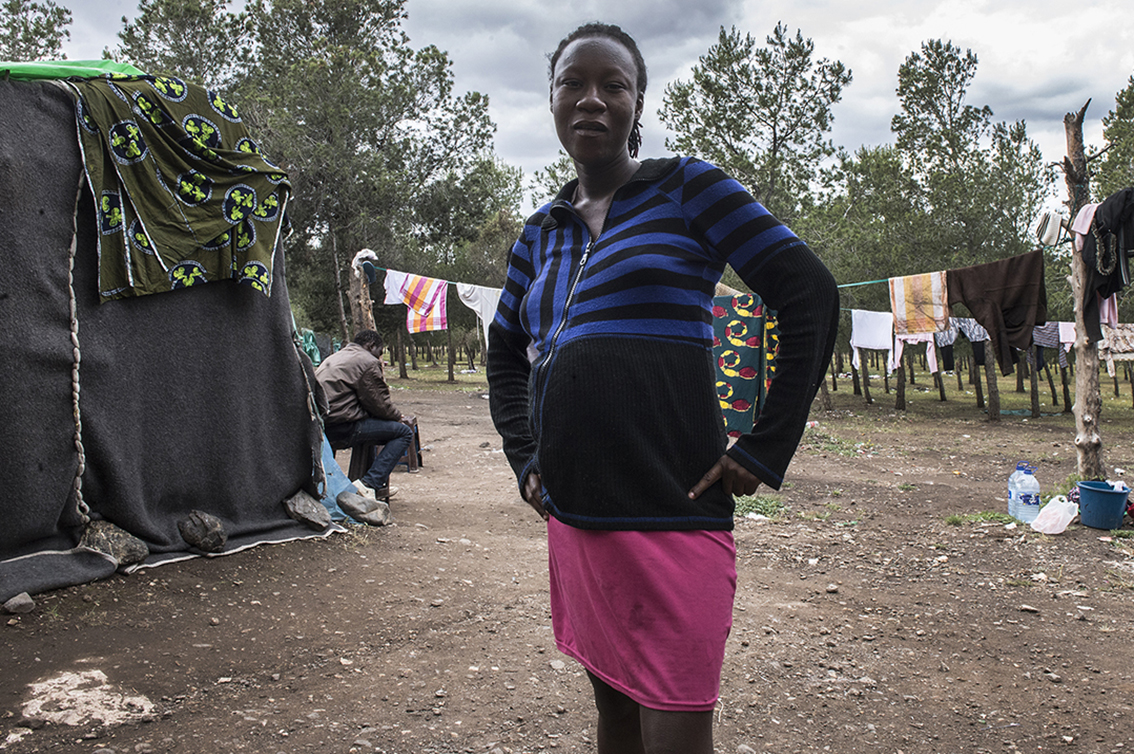
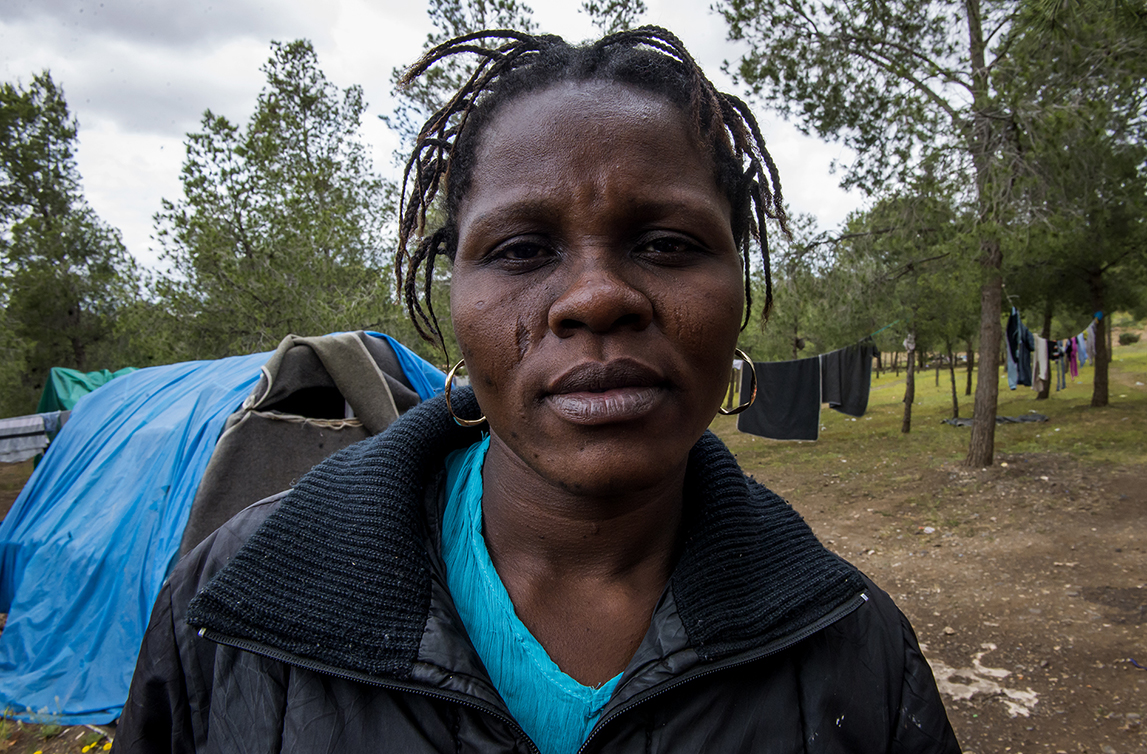
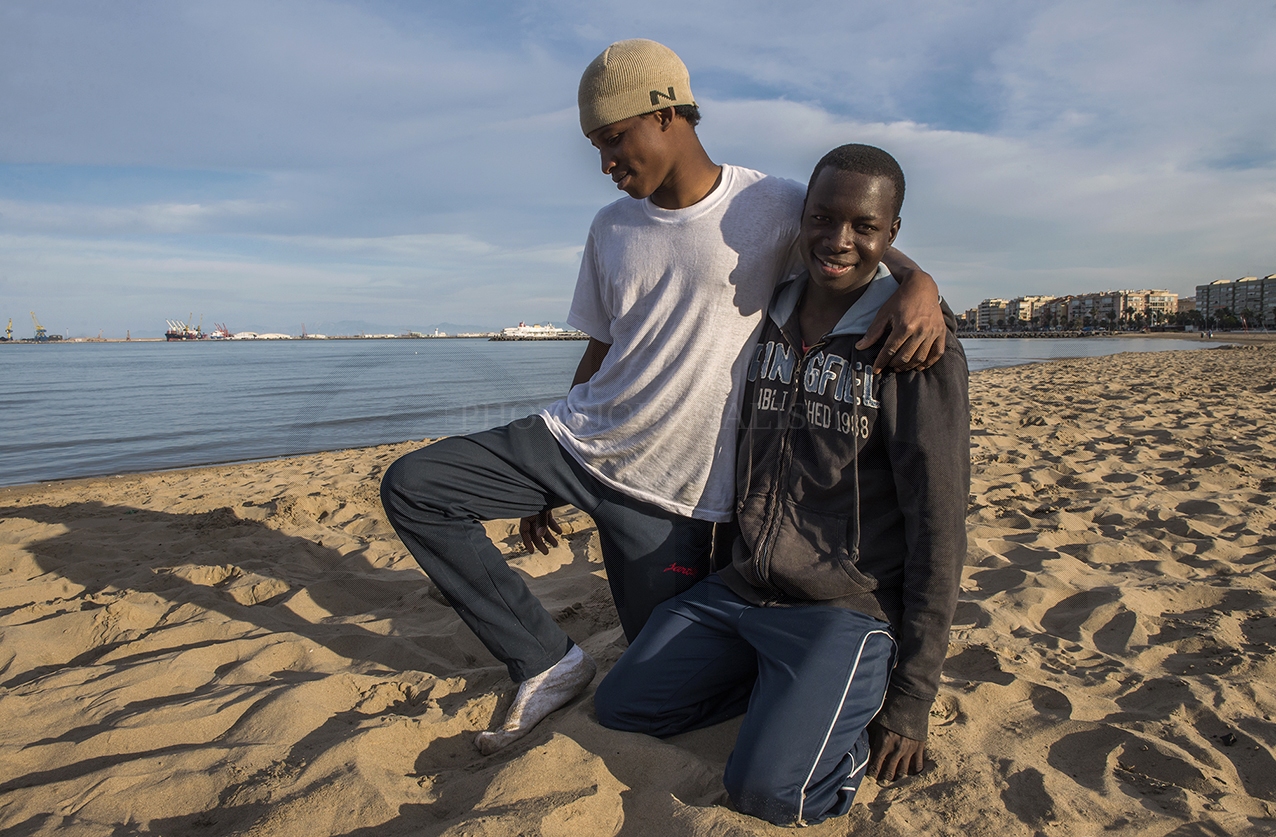
After a gruelling journey across the Sahara, the glow of the promised land can be glimpsed from the Northern Moroccan coast. But despite that much optimism, the problem remains how to cope with the astronomical cost of the clandestine passage across the sea. Plan B – entering Ceuta or Melilla, the Spanish enclaves surrounded by a border fence – carries with it the scary prospect of a physical confrontation with armed officers or of hurting oneself on the razor wire, which means this option is reserved for the strongest and most reckless. For the rest – particularly women and children – the final hurdle of the Mediterranean looms like a colossal wall. Attempting to breach it usually means a long wait spent wandering along the coastline, scraping together money any way they can in a hostile environment, rife with unpunished racism and the web of human trafficking. This photo series focuses on the resistance to being treated as commodities: young people stationed a stone’s throw from Melilla, prepared to risk everything at the fence, and women broken after being sold to the highest bidder by those they trusted, rescued by acts of solidarity seeking to shield them from their misery. For all of them, the destination of Europe now feels less like the golden dream that spurred the journey, and more like the only remedy for the fear of living another day.